Introduction
Flying high above cities inspires thousands of curious learners each year. Yet training to become a pilot demands solid planning, persistent practice, and honest financial budgeting. Aspiring aviators need clear directions before investing money into airplane rentals and study materials. Smart preparation helps you select suitable courses and protects your family savings. A modern discovery site called Bestpilotsnow.com helps beginners navigate these initial choices with ease. The portal provides practical guides so you can evaluate training centers and flight paths effectively. In this guide, you will explore every milestone on the flight training ladder. We explain beginner permits, commercial certificates, school costs, and critical safety rules. In addition, you will discover simple ways to avoid expensive training errors. Read on to build your confidence and launch your flying journey smoothly.
What Does a Pilot Do?
A pilot operates aircraft to carry people and goods safely across skies. Airline crews fly vacationers, business travelers, and families between domestic and foreign airports. Cargo pilots transport packages, fresh food, and medical boxes through day and night. Other aviators guide rescue helicopters, protect forests from fires, or map farmland from above. In addition, flight instructors teach student pilots how to taxi, climb, turn, and land.
Every crew member works closely with co-pilots inside the cockpit. The cockpit is the control room at the front of the aircraft. Pilots run detailed walkaround checks on wings, engines, and fuel tanks before every departure. Then, they study regional weather forecasts and communicate with air traffic controllers. Controllers are ground experts who guide planes safely on taxiways and across runways. Pilots stay calm and make prompt decisions if winds shift or instruments glitch. This exciting career requires continuous alertness, great team communication, and steady physical health.
How to Become a Pilot
You begin by verifying age requirements and scheduling a physical checkup. An authorized aviation doctor examines your eyes, ears, lungs, and heart. Next, you enroll in ground school classes. Ground school is classroom study covering airspace laws, navigation charts, radio rules, and weather patterns. Then, you step into an airplane for hands-on dual instruction with a certified teacher.
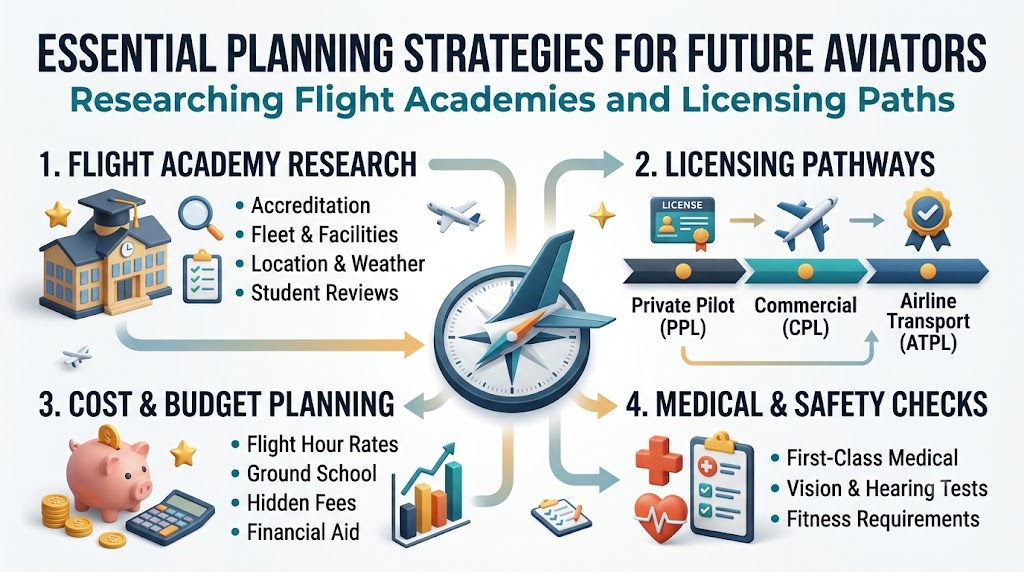
[Medical Certificate] ---> [Ground School Studies] ---> [Dual Flight Hours] ---> [Official Checkride]
Students take computerized written tests alongside a practical flight exam called a checkride. A checkride is an evaluation flight with an official government examiner. The government grants your pilot license once you record all required flying hours. Because rules differ across borders, always check your domestic civil aviation agency. To compare entry steps and find flight resources, visit bestpilotsnow.com.
How to Choose the Best Flight Schools
Begin your school search by confirming government certification for each academy. Visit the campus hangar to verify that mechanics keep the airplanes clean and airworthy. Excellent academies employ dedicated, patient flight instructors who focus on student success. Also, pick a flight base that enjoys dry, clear weather throughout the year.
Interview current trainees at the airfield to collect authentic feedback about lesson availability. You can use Best Pilots Now to discover essential questions before scheduling your physical school visits. Even so, always confirm actual course prices, plane counts, and training terms with school administrators.
| Selection Factor | What to Look For | Why It Matters |
| Official Accreditation | Current civil aviation approval badge | Flight hours at unapproved schools do not count toward licenses. |
| Fleet Readiness | Modern planes with fresh service logs | Frequent maintenance problems delay your weekly flight progress. |
| Instructor Talent | Full-time, professional flight teachers | Talented teachers help you understand tricky flight maneuvers quickly. |
| Local Weather | Plenty of sunny, calm flying days | Rain, fog, and ice force schools to cancel practice flights. |
| Fee Clarity | Upfront sheets including plane fuel | Unexpected fuel surcharges drain student savings rapidly. |
Types of Pilot Training Courses
Aviation training paths align with distinct personal ambitions and budget limits. Beginners start with private pilot license training. This course lets you carry family and friends on weekend trips. However, private pilots cannot charge fees or receive pay for flying passengers.
Next, career-minded students take commercial pilot training. This advanced track covers complex aircraft systems, long cross-country routes, and emergency drills. Earning a commercial certificate lets you accept paid employment as an aviator.
From there, candidates pursue airline pilot training or enroll in airline cadet programs. Cadet programs are direct school pipelines run in partnership with commercial airlines. Later, pilots complete type rating courses. A type rating course trains an aviator to handle one specific multi-crew jet, like a Boeing 787. Specific hourly requirements vary based on national civil aviation rules.
Understanding Pilot Training Cost
Flight course prices vary widely because students learn flight maneuvers at different speeds. Your final training bill combines aircraft rental fees, fuel expenses, and instructor wages. A rental rate often changes when fuel prices rise.
[Aircraft Hourly Rental] + [Instructor Coaching Fees] + [Testing & Gear Fees] = Total Cost
You must also budget for charts, specialized aviation headsets, study books, and doctor exams. Needing extra flights to master soft-field landings increases your final balance. Therefore, examine school fee estimates carefully. The table below outlines major pilot training expenses:
| Expense Item | What It Covers | Cost Factor |
| Plane Rental Time | Hourly flight time recorded by aircraft meters | Extra solo and dual flights raise this total. |
| Instructor Time | Briefings, debriefings, and dual flight lessons | Senior instructors charge higher hourly teaching rates. |
| Aviation Fuel | Gas burned by training engines during flights | Fuel surcharges rise with global oil price changes. |
| Doctor Visits | Formal aviation medical screenings and certificates | Pricing depends on doctor clinic fees and license class. |
| Aviation Equipment | Headsets, paper charts, plotters, and flight bags | Initial equipment costs paid during your first training week. |
| Government Tests | Written computer exams and official checkride fees | Trainees pay testing fees directly to examiners. |
Online resources like Best Pilots Now offer helpful starting points to help you plan flight budgets.
Medical Checks and Flight Safety
A healthy pilot manages long flights safely and avoids medical surprises in the sky. Aviation medical examiners check heart stability, lung capacity, hearing acuity, and blood pressure. Doctors also test eye sharpness and color recognition. You can wear prescription glasses or contact lenses if they correct your vision to safety levels.
Good hearing lets you understand control tower instructions over radio background noise. Always verify health requirements with your national agency before spending money on flight hours. Good flight safety also requires completing every checklist step before takeoff. Competent pilots never skip checks, and they never fly while ill, stressed, or tired.
Real-Life Scenarios / Experiences
- Managing Changing Clouds: A trainee flies toward a practice airfield sixty miles away. Low clouds suddenly cover the area, so the pilot turns toward a clear alternate airport immediately.
- Respecting Strong Winds: A student arrives at the flight line at sunrise. Crosswinds blow past the training plane’s safety limits, so the trainee cancels the flight to remain safe.
- Finding a Maintenance Flaw: During an external wing check, a student notices a weeping fuel drain valve. The student informs the mechanics shop immediately and takes a safe backup airplane.
Pilot Jobs and How to Hire a Pilot
Aviation offers varied career options for ambitious commercial pilots. Many new commercial fliers teach as flight instructors to accumulate necessary flying hours. Other pilots transport evening air cargo or survey pipeline corridors for utility firms. Corporate pilots fly executive teams aboard sleek corporate jets. Meanwhile, airline captains transport passengers across global airline routes.
Pilots secure interviews by maintaining spotless logbooks and clean checkride histories. Flight departments inspect total flight hours, ratings, and past employer references before extending offers. Best Pilots Now is developing a pilot directory to help aviation employers identify qualified professionals. The platform also plans community discussion boards and job resources as it grows.
Common Mistakes to Avoid
- Delaying the Aviation Medical Check: Some beginners pay for classes before visiting an aviation doctor. Get your medical certificate first so you know you qualify legally.
- Paying Entire Tuition Upfront: Some students hand over entire course fees on day one. Pay tuition in small blocks to protect your money if a business shuts down.
- Flying Infrequently: Flying once every three weeks destroys your flying memory. Book three weekly training slots to master maneuvers and save cash.
- Neglecting Ground School Books: Skipping theory lessons leads to failed oral exams during checkrides. Study flight books daily to breeze through written exams.
- Choosing Rare Training Airplanes: Rare airplanes often sit idle while waiting for spare engine parts. Pick popular trainers like the Cessna 172 or Piper Archer.
- Ignoring Training Cost Buffers: Most trainees need extra practice hours beyond legal minimums. Add twenty percent to your budget to handle extra dual practice.
- Rushing Pre-Flight Walkarounds: Speeding past visual aircraft checks invites avoidable dangers. Follow printed checklists closely before turning the ignition key.
- Overlooking National Aviation Laws: Pilot certification rules change across country borders. Read your home country’s official civil aviation guides before picking a course.
How Best Pilots Now Can Help You Start
Entering the flight industry can feel complicated without reliable starting guidance. Best Pilots Now functions as an aviation discovery portal for students, fliers, and aviation enthusiasts. The platform publishes clear overviews covering flight academies, training pathways, and aviation careers. It helps you explore course categories and plan realistic training budgets.
In addition, Best Pilots Now is building an aviation directory to highlight pilot credentials. Upcoming features will include community forums and pilot employment resources as development continues. Visit bestpilotsnow.com to begin your flight school research today.
Frequently Asked Questions
1. Can a student pilot wear glasses during flight training?
Yes, you can learn to fly while wearing glasses or contact lenses. The aviation doctor verifies that your lenses correct eyesight to standard safety thresholds. Countless professional airline captains fly international flights with corrective glasses daily. Check your national aviation authority rules before buying expensive flight gear.
2. At what age can a person begin flying airplanes?
Teenagers in many countries can begin flight lessons at age 14 or 15. You can fly solo on your 16th birthday if your instructor approves your flying skills. You must reach 17 years of age to earn a private pilot license. Commercial pilot credentials require candidates to turn 18 years old.
3. How do private and commercial pilot licenses differ?
A private pilot license allows you to fly for personal recreation, family trips, and hobbies. However, private pilots cannot accept pay or fly passengers for business profit. A commercial certificate requires advanced maneuvers, deeper navigation knowledge, and strict testing. Earning a commercial certificate lets aviation companies hire you as a professional flier.
4. How much time does pilot training usually take?
Your training schedule depends on lesson frequency, personal study habits, and local airport weather. Full-time students often finish a private license within three to six months. Part-time students who practice on weekends usually need twelve to eighteen months. Flying multiple days each week helps you finish training much faster.
5. What happens during a student checkride?
A checkride is an official flight test conducted by an authorized civil aviation examiner. The evaluator first tests your ground knowledge regarding aircraft systems, flight planning, and weather charts. Then, you fly together to test takeoffs, steep turns, emergency procedures, and landings. Passing both stages unlocks your pilot certificate.
6. Why does learning to fly require substantial funds?
Training aircraft consume expensive aviation gasoline during every practice hour in the sky. Flight academies also invest funds into engine maintenance, hangars, insurance coverage, and instructor pay. Every lesson hour covers airframe wear, airport access, and personal flight coaching. Studying before each flight helps you minimize wasted lesson hours.
7. Must an airline pilot earn a four-year college degree?
Major passenger airlines rarely require four-year university degrees from applicant pilots today. Airlines look closely at your total flight hours, safety records, and cockpit teamwork skills. However, holding an academic degree can help your resume stand out during competitive hiring cycles. Regional airlines often hire graduates straight out of flight academies.
8. What does a type rating course cover?
A type rating is an advanced certification for one specific large jet model. Light single-engine planes require standard category ratings. Complex turbine aircraft like the Boeing 777 require specific type ratings. Pilots complete classroom ground lessons and full-motion flight simulator training to earn this qualification.
9. Can stormy weather delay student flight lessons?
Stormy weather routinely forces flight academies to cancel student training flights. Beginning fliers practice only when clouds sit high and winds stay calm. Rain, low fog, and thunderstorms make flying hazardous for beginner pilots. Smart students use rainy days to finish ground school study and review navigation maps.
10. What does an instrument rating teach you?
An instrument rating teaches you to fly aircraft solely by scanning cockpit flight instruments. This skill lets you navigate safely through clouds, rain, and thick haze. Without this rating, you must maintain visual sight of the ground at all times. Commercial airlines require all flight crews to hold current instrument qualifications.
11. How do new commercial pilots build flight experience?
Airlines demand hundreds of flight hours before hiring new first officers. Many new commercial fliers teach as flight instructors to accumulate necessary flying hours. Others fly aerial photo flights, patrol pipeline networks, or tow beach banners. These jobs pay pilots while helping them build essential flight time.
12. Is Best Pilots Now an accredited flight training academy?
Best Pilots Now does not operate as a flight school and does not teach flying lessons. Instead, it serves as an aviation discovery platform to help you research training paths. The site provides helpful articles on flight academies, license options, and aviation careers. Always verify school accreditation and training rates with each academy directly.
CONCLUSION
Reaching the flight deck requires dedication, focused study, and careful financial choices, but the journey brings unmatched rewards. First, select an accredited flight academy, pass your medical exams, and practice essential maneuvers with a skilled instructor. Always compare school rental rates, aircraft fleets, and local weather patterns before paying fees. Keep in mind that licensing standards, training hours, and physical rules vary across countries. Educational discovery portals like Best Pilots Now provide clear insights to help you choose the right training path. Take your first confident step toward aviation today by exploring bestpilotsnow.com.
