Introduction
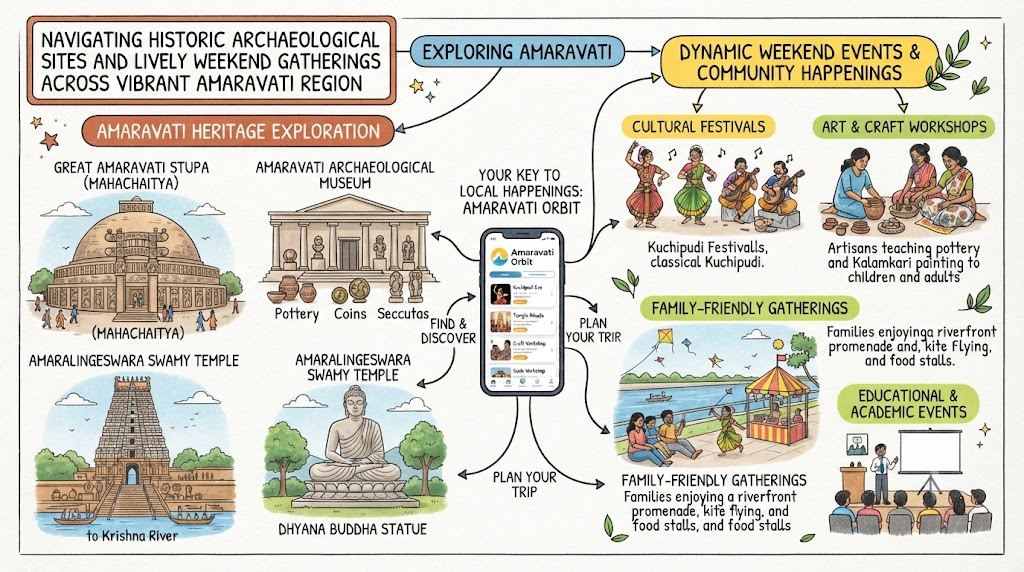
Amaravati, Andhra Pradesh, presents a remarkable travel landscape where ancient Buddhist heritage, sacred temple traditions, and riverside scenery converge with regional community life. Many travelers visit primarily to view magnificent archaeological monuments, yet an equally rewarding journey awaits those who explore the living pulse of regional happenings. Navigating this destination successfully involves balancing historic sightseeing with current local activities across the capital region. Finding accurate schedules for gatherings, artistic performances, and community celebrations can transform an ordinary day trip into an immersive cultural outing. Connecting historical exploration with contemporary community life becomes effortless when utilizing local discovery resources like AmaravatiOrbit, allowing visitors to plan memorable trips that capture both timeless monuments and active regional experiences without friction.
Amaravati at a Glance
Located along the scenic banks of the Krishna River in Guntur district, Amaravati holds deep historical significance as a primary seat of Satavahana rule and an internationally renowned center of early Buddhist art. Its heritage spans over two millennia, featuring iconic stupa architecture, sacred pilgrimage temples, and valuable archaeological treasures preserved across local collections. The wider capital region surrounding the ancient town serves as an expanding nexus for cultural programs, academic seminars, and civic life in Andhra Pradesh.
- Geographic Position: Positioned along the Krishna River in coastal Andhra Pradesh, easily accessible from Vijayawada and Guntur.
- Historical Core: Ancient hub of the Satavahana dynasty with significant Mahayana Buddhist roots dating back to the third century BCE.
- Spiritual Prominence: Home to the renowned Amareswara Swamy temple, dedicated to Lord Shiva, alongside major Buddhist monuments.
- Regional Context: Integrated within the broader capital region, linking classical heritage with contemporary civic and academic spaces.
Amaravati Events: What Can You Expect?
Visiting the region provides opportunities to engage with an eclectic mix of regional gatherings, ranging from classical temple celebrations and outdoor cultural programs to educational workshops and modern industry conferences. Scheduled exhibitions, regional business meetups, recreational sporting events, and family entertainment days frequently unfold across urban centers and regional institutions. However, event schedules, entry requirements, and program venues in emerging urban hubs change frequently due to regional planning, administrative updates, and seasonal shifts. Travelers hoping to participate in popular Amaravati events should always verify assembly times, ticketing rules, and venue details well in advance to prevent unwanted itinerary disruptions during their journey.
Events in Amaravati for Different Interests
Cultural and Traditional Events
Classical music recitals, sacred Kuchipudi dance presentations, and spiritual celebrations during Maha Shivaratri define traditional gatherings across local venues. Heritage lovers, cultural travelers, and pilgrims discover meaningful opportunities to witness age-old Telugu artistic traditions firsthand while soaking in deep spiritual atmospheres.
Educational and Academic Events
Regional university campuses and regional training centers regularly host specialist workshops, academic lectures, and student symposiums covering archaeology, technology, and regional urban planning. These organized academic assemblies provide scholars, visiting students, and knowledge seekers with valuable platforms to explore relevant developmental topics.
Business and Professional Events
Trade conferences, leadership conclaves, and entrepreneurial meetups take place across modern administrative spaces, hospitality banquet centers, and institutional auditoriums. These professional engagements offer executives, independent specialists, and enterprise founders targeted avenues to exchange expertise, discuss regional development, and build enduring commercial alliances.
Family-Friendly Events
Weekend entertainment fairs, open-air recreational activities, seasonal celebrations, and festive shopping carnivals present ideal leisure opportunities for parents and children traveling together. Families selecting these gatherings should verify age recommendations, look for accessible parking amenities, and confirm available food options before planning their weekend.
Art, Exhibitions and Workshops
Hands-on craft demonstrations, photography galleries, and sculptural showcases offer an inspiring look into both historical preservation and modern artistic creation. Curious travelers and creative professionals can participate in local workshops to refine artistic skills or observe regional master artisans demonstrating traditional Andhra crafts.
Community and Entertainment Events
Weekend food festivals, fitness runs, local musical evenings, and open park gatherings bring residents and travelers together for enjoyable, informal recreation. Participating in these lively local activities provides tourists with an authentic taste of community hospitality, enriching conventional sightseeing through positive everyday interactions.
Amaravati Events Today: How to Find Current Activities
Pinpointing daily activities demands real-time awareness because schedule adjustments, temporary venue updates, registration caps, and weather variables routinely impact daily schedules. Travelers searching for events in Amaravati today must consult active digital bulletin boards, local organizational channels, and specialized listings rather than relying entirely on printed flyers or outdated guidebooks. Before departing from your hotel, take five minutes to verify if pre-registration is mandatory, confirm whether children are permitted, and check if tickets must be purchased electronically. Reconfirming operational hours immediately before traveling ensures your family avoids unexpected venue closures or sudden changes, allowing you to enjoy your chosen activities with complete peace of mind.
What Is AmaravatiOrbit and What Does It Help Visitors Do?
AmaravatiOrbit operates as a dedicated regional destination and event discovery platform designed to help residents and travelers locate activities taking place across the city and surrounding areas. The platform compiles practical information on cultural festivals, academic seminars, professional exhibitions, family entertainment programs, and neighborhood gatherings across the capital territory. Instead of searching across disconnected social channels, visitors planning a holiday or weekend outing can use the portal to explore relevant local options easily. By presenting clear details about public programs and regional gatherings, the resource empowers travelers to design balanced travel itineraries that seamlessly integrate heritage exploration with live community experiences.
Why Use AmaravatiOrbit When Planning an Amaravati Visit?
Relying on a focused discovery platform transforms how travelers experience this historic region by unveiling cultural happenings beyond standard sightseeing lists. Historic landmarks present only one dimension of local life, while organized workshops, festive recitals, and seasonal exhibitions offer direct connections to regional communities. Utilizing a consolidated resource prevents the frustration of sifting through fragmented social groups or missing out on enriching neighborhood performances. Whether planning a quick family afternoon or coordinating a productive business stopover, consulting curated local announcements makes holiday scheduling significantly more efficient, structured, and culturally rewarding.
How to Use AmaravatiOrbit for Event Discovery
Discovering worthwhile community programs involves following a direct, logical approach to avoid itinerary conflicts and travel delays. Begin by visiting the platform to review active announcements, seasonal programs, and upcoming activities scheduled across the capital territory. Next, identify programs aligning with your schedule, noting the specific operating hours, confirmed addresses, ticket costs, and seat registration requirements. Always verify the venue details on a digital map to evaluate travel duration from your hotel before cementing plans. Finally, incorporate confirmed programs neatly alongside nearby heritage sites to produce a cohesive, practical itinerary for your upcoming journey.
Things to Do in Amaravati
- Explore Ancient Buddhist Sites: Walk along the historic ruins of the Mahachaitya to admire ancient carvings, railings, and stone architecture.
- Visit the Archaeological Museum: Study excavated stone panels, antique pottery, bronze icons, and intricate Satavahana sculptures preserved in curated galleries.
- Pay Respects at Historic Temples: Experience classical temple architecture, sacred rituals, and spiritual tranquility at the revered Amareswara Swamy shrine.
- Enjoy Krishna River Scenery: Take relaxing evening strolls alongside peaceful riverbanks, watching regional fishing boats and appreciating serene sunset landscapes.
- Capture Heritage Photography: Document intricate limestone carvings, peaceful monastic ruins, expansive landscapes, and traditional town architecture using early morning light.
- Savor Authentic Andhra Cuisine: Dine at modest local eateries serving spicy Guntur delicacies, steaming regional thalis, and freshly prepared tiffins.
- Engage in Community Gatherings: Join festive performances, local crafts exhibitions, or creative workshops to observe dynamic local culture firsthand.
Places to Visit in Amaravati
Historical exploration begins within the ancient town limits at the iconic Amaravati Stupa ruins, which showcase extraordinary craftsmanship from early Indian history. Nearby, the Amaravati Archaeological Museum houses invaluable relics, Buddhist panels, and ancient artifacts discovered during regional excavations, offering necessary historical context. The sacred Amareswara Swamy temple stands right on the riverbank, drawing pilgrims who appreciate ancient Dravidian temple architecture and religious heritage. Traveling slightly outside the town into the surrounding capital region, visitors can access the expansive Dhyana Buddha project featuring an impressive giant seated statue. It remains essential for travelers to distinguish these core heritage landmarks in town from broader metropolitan sights located in neighboring Guntur and Vijayawada.
Amaravati Tourist Places for Different Travelers
For History Lovers
History enthusiasts should dedicate substantial time to inspecting the intricate limestone balustrades, carved medallions, and monastic remains at the main archaeological site. Examining the Satavahana-era antiquities displayed inside the local museum provides profound insight into early Asian trade networks, classical sculpture, and Buddhist philosophical thought.
For Spiritual Travelers
Spiritual seekers find deep solace visiting the Amareswara Swamy temple, an ancient Shaivite center situated peacefully along the river, alongside the contemplative Dhyana Buddha complex. These sacred grounds provide quiet meditation spaces where pilgrims can participate in traditional temple rituals or contemplate universal Buddhist teachings.
For Families
Families traveling with children can combine educational visits to the archaeological museum with open-air walks around landscaped memorial parks along the Krishna River. Planning gentle outdoor excursions interspersed with local sweet shop visits keeps younger travelers entertained, curious, and comfortable without causing excessive fatigue.
For Students
Students and academic groups gain firsthand educational exposure to ancient art history, architecture, civil geography, and archaeological excavation techniques throughout the town. Exploring original stone inscriptions and well-preserved structural foundations brings textbook lessons about ancient Indian dynasties and early civil planning vividly to life.
For Photography Enthusiasts
Photographers can capture striking compositions featuring ancient stone bas-reliefs, serene river views, expansive rural vistas, and impressive spiritual statues under soft morning light. The quiet streets of the heritage town also provide abundant opportunities for environmental portraiture and heritage travel photography.
For Weekend Travelers
Weekend adventurers from nearby cities like Vijayawada and Guntur can enjoy a balanced mix of relaxed heritage exploration, riverfront unwinding, and local dining. Pairing morning stupa sightseeing with an afternoon temple visit or a regional cultural event creates an easy, restorative short holiday.
Amaravati Tourism: Heritage Meets Modern Development
Regional tourism offers a fascinating synthesis of timeless antiquities, riverine culture, spiritual traditions, and contemporary civic development across the capital territory. Ancient monastic ruins remind travelers of a distinguished past when global scholars journeyed here, while expanding modern roads and public services reflect future economic potential. Modern infrastructure development increasingly makes navigating between rural archaeological zones and bustling regional commercial centers smoother for everyday travelers. This gentle balance between preserving antique Buddhist landmarks and welcoming regional community progress makes visiting the territory an informative and memorable historical journey.
Amaravati Travel Guide: Planning Your Visit
A rewarding trip requires thoughtful planning around regional climates, road transport, modest lodging options, and local cultural norms. A comprehensive day trip suits travelers focused exclusively on core stupa ruins and museum collections, whereas a full weekend allows unhurried exploration across nearby riverbanks and regional events. Private taxis or direct regional buses from Vijayawada and Guntur provide the most flexible transportation options for sightseeing. Pack modest, breathable cotton clothing suitable for sacred sites, carry sufficient bottled drinking water, wear slip-on walking shoes, and always seek permission prior to capturing photographs inside active shrines.
Amaravati Experience Planner
| Experience | Best For | Suggested Time | Planning Tip |
| Amaravati Stupa Ruins | History buffs and architectural researchers | 2 hours | Arrive right at opening to avoid direct afternoon sun. |
| Archaeological Museum | Students and cultural enthusiasts | 1.5 to 2 hours | Verify operating days; collections remain closed on Fridays. |
| Amareswara Swamy Temple | Devotees and architectural travelers | 1 to 1.5 hours | Wear modest temple clothing; early morning darshan offers minimal queues. |
| Dhyana Buddha Park | Families and leisure strollers | 1 to 2 hours | Ideal during late afternoon hours for scenic photography. |
| Krishna Riverfront Walk | Photography lovers and nature seekers | 1 hour | Carry insect repellent and visit near sunset for cool breezes. |
| Local Cuisine Tasting | Food enthusiasts and general travelers | 1 hour | Try traditional breakfast tiffins at clean local eateries nearby. |
One-Day Amaravati Itinerary
Begin your morning around 8:30 AM exploring the Amaravati Stupa archaeological complex while temperatures remain pleasantly mild for outdoor walking. Move toward the nearby Archaeological Museum by late morning to study excavated panels, sculptures, and historical relics preserved in shaded galleries. Enjoy an authentic Andhra thali lunch at a traditional town eatery before heading to the riverside Amareswara Swamy temple in the afternoon. Conclude your day around 4:30 PM visiting the serene Dhyana Buddha park or attending an evening riverside community event, adjusting time frames around transport options and seasonal daylight.
Weekend Amaravati Itinerary
Devote your first day to exploring the historic heart of the town, beginning with thorough morning tours of the ancient stupa and government museum collections. Spend your afternoon admiring the intricate architecture of the riverside Amareswara temple, followed by sunset photography and spicy street food around local town markets. On the second day, travel across the wider region to visit the impressive Kondapalli Fort or explore the historic rock-cut Undavalli Caves near Vijayawada. Wrap up your weekend visit by participating in an afternoon workshop, public exhibition, or lively cultural program taking place in the capital territory.
Real-Life Scenarios: How Different Visitors Can Experience Amaravati
A university history lecturer planning a weekend research trip might spend Saturday morning documenting limestone friezes at the stupa, followed by analytical cataloging inside the archaeological museum. A family with young school-aged children departing from Vijayawada could balance a morning visit to the Dhyana Buddha statue with a light picnic and a local weekend science fair. Meanwhile, an independent professional visiting the capital territory for an afternoon trade conference could extend their stay by half a day to photograph riverfront temples and explore quiet heritage ruins.
Event Planning Checklist
| What to Check | Why It Matters | What the Traveler Should Do |
| Confirmed Date | Programs may shift due to weather or scheduling conflicts | Re-verify date on official announcements 24 hours prior. |
| Operational Timings | Starting times often vary from initial announcements | Check the exact schedule to arrive before entry gates close. |
| Precise Venue | Venues sharing similar names can cause navigation errors | Input confirmed addresses into digital maps ahead of departure. |
| Prior Registration | Popular workshops often restrict seat capacity | Complete digital sign-ups or email confirmations well in advance. |
| Entry Ticketing | Certain venues only accept digital payments at counters | Carry both small cash denominations and digital payment options. |
| Age Suitability | Academic or formal events may restrict small children | Review attendance guidelines before arriving with family members. |
| Parking Availability | Narrow heritage lanes often lack vehicle parking areas | Identify designated parking zones near venues before arrival. |
| Last-Minute Updates | Unplanned local holidays may alter public programs | Check local listings online immediately before leaving your room. |
Common Mistakes to Avoid When Visiting Amaravati
- Arriving at the Archaeological Museum on a Friday without realizing it observes a weekly closure for maintenance.
- Scheduling outdoor walking tours of the stupa ruins during peak afternoon hours when sunlight heats stone pathways severely.
- Dressing in shorts, sleeveless tops, or casual beachwear when entering sacred pilgrimage temples that require modest attire.
- Assuming digital ride-hailing services are always instantly available for return journeys late in the evening from remote heritage spots.
- Confusing ancient town destinations with modern administrative complexes located several kilometers away in the broader capital zone.
- Forgetting to carry adequate cash, as smaller town shops, auto drivers, and traditional tiffin stalls often experience network outages.
- Failing to reconfirm event venues and starting times, leading to wasted transit time across sprawling regional institutional campuses.
- Rushing through the archaeological museum in twenty minutes, missing crucial context that explains the significance of nearby excavation trenches.
Practical Tips for a Better Amaravati Visit
Start your outdoor excursions early around sunrise to enjoy comfortable weather, soft photography lighting, and uncrowded historical premises. Carry insulated reusable water bottles and sun protection like hats or umbrellas, particularly when traveling between March and June. Arrange return transportation or taxi hires in advance with trusted regional operators to ensure seamless travel between disconnected regional landmarks. Wear comfortable walking shoes that slip off easily, saving time and hassle at temple entrances and protected monument zones. Above all, maintain a flexible travel schedule so you can comfortably attend unexpected cultural programs, street celebrations, or local exhibitions you discover along the way.
How AmaravatiOrbit Fits Into a Travel Plan
Smart itinerary planning begins days before departure by scanning active regional announcements to identify festivals, musical performances, or academic exhibitions aligning with your trip dates. Once you highlight interesting activities, structure your heritage sightseeing map so that monument visits naturally lead toward the event venue without unnecessary backtracking. Before checking out of your hotel on the morning of your visit, do a quick final check of the schedule to verify that timing, hall locations, or entry criteria have not changed unexpectedly. By blending confirmed community activities with classic monument sightseeing, your journey seamlessly captures both ancient regional history and active contemporary cultural life.
Frequently Asked Questions
1. What makes the Buddhist stupa in Amaravati historically significant?
The Mahachaitya remains one of the most prominent early Buddhist monuments in India, showcasing unique limestone carvings and architectural styles from the Satavahana era. Scholars consider it an essential center for early Mahayana Buddhist art that influenced religious design across Asia for centuries.
2. How can visitors find current Amaravati events today?
Travelers should monitor specialized regional discovery platforms, verified civic social pages, and local university notice boards for up-to-date program notices. Verifying operational hours, venue addresses, and registration requirements on the morning of the activity ensures smooth, disruption-free attendance.
3. What is the ideal season to plan a trip to Amaravati?
The winter months from October to February offer pleasant temperatures, minimal rainfall, and comfortable conditions for extended walking tours of outdoor ruins. Summer months can become extremely hot, requiring travelers to restrict sightseeing entirely to early mornings and late afternoons.
4. Are there suitable family-friendly activities in the region?
Families can explore the landscaped gardens of the Dhyana Buddha park, visit the educational archaeological museum, and take quiet evening river walks. Attending weekend cultural programs, local food fairs, and seasonal carnivals also provides engaging entertainment for both adults and children.
5. What are the opening hours for the Amaravati Archaeological Museum?
The museum generally welcomes visitors from 10:00 AM to 5:00 PM but remains closed to the public every Friday. Travelers should always verify seasonal timings or national holiday closures beforehand to prevent unexpected scheduling disruptions during day trips.
6. Can I complete an Amaravati visit within a single day?
A well-structured single-day itinerary allows travelers to visit the main stupa ruins, browse the archaeological museum, tour the Amareswara Swamy temple, and enjoy riverfront views. Starting early from nearby cities like Vijayawada ensures sufficient time to explore every primary attraction comfortably.
7. What types of events take place across the capital region?
The territory hosts traditional music and dance recitals, religious temple celebrations, academic conferences, technology meetups, youth sports events, and weekend art exhibitions. These gatherings reflect both the deep classical heritage and expanding contemporary institutional life of Andhra Pradesh.
8. What transportation choices are available from Vijayawada?
Regular state transport buses, regional passenger trains, and private app-based or hired taxis connect Vijayawada directly with the heritage town. Hiring a private taxi for the day provides maximum flexibility when visiting disconnected monuments, temples, and suburban event spaces.
9. What etiquette should travelers follow at local temples?
Visitors must remove footwear before entering temple grounds, dress in modest attire covering shoulders and knees, and avoid photographing inner sanctums. Maintaining respectful quiet during prayer rituals and following marked circumambulation paths ensures a comfortable experience for everyone.
10. Are there good places to stay within the ancient town?
Accommodation in the immediate town consists mainly of modest guest houses, pilgrim choultries, and basic lodges near primary spiritual centers. Travelers seeking larger business hotels, varied dining, and modern amenities generally prefer lodging in nearby Vijayawada or Guntur.
11. Is photography permitted around historical sites and museums?
Exterior photography is widely allowed across the stupa park ruins and outer temple courtyards, though tripods may require special departmental permissions. The archaeological museum and temple inner sanctums enforce strict restrictions against personal photography to protect artifacts and religious customs.
12. What regional dishes should travelers try during their visit?
Visitors should sample authentic Andhra vegetarian thalis, fiery curries prepared with local Guntur chilies, and freshly steamed idlis and dosas. Traditional sweet shops also sell delicious regional delicacies like pootharekulu and freshly prepared seasonal fruit beverages near primary market roads.
Conclusion
Amaravati presents a fascinating travel destination where timeless Buddhist archaeology, revered riverbank temples, and rich regional traditions sit alongside growing contemporary civic activities. Taking time to look beyond static monuments reveals an energetic regional community celebrated through classical dance programs, academic symposiums, art exhibitions, and vibrant neighborhood gatherings. By balancing careful itinerary logistics, early morning heritage tours, and active event discovery through resources like AmaravatiOrbit, visitors can seamlessly combine classical sightseeing with meaningful local experiences. Whether arriving for a focused single-day excursion or an unhurried weekend getaway, planning your journey with local context ensures a rich, educational, and truly memorable visit to this historic Andhra Pradesh landmark.
